Let’s be honest: when people hear “Siem Reap,” the first image that comes to mind is waking up at 4:30 AM to catch the sunrise behind Angkor Wat’s five lotus towers, with hundreds of other tourists holding cameras.
Don’t get me wrong, Angkor Wat is world-class for a reason. But if that’s all you see before hopping on the next flight out, you’re missing out on the real heartbeat of Siem Reap.
Tucked just outside the main archaeological park lies an entirely different rhythm: moss-covered ruins swallowed by towering fig trees, refreshing mountain waterfalls where locals picnic on wooden platforms, serene waterways through submerged mangrove forests, and intimate heritage dining tucked inside leafy courtyards.
Whether you’re planning a weekend drive with friends or taking an easy solo escape that feels real and unhurried, here are five curated experiences in Siem Reap that prove this town has so much more to offer.
1. Get Lost in the Real-Life Jungle Ruins: Beng Mealea
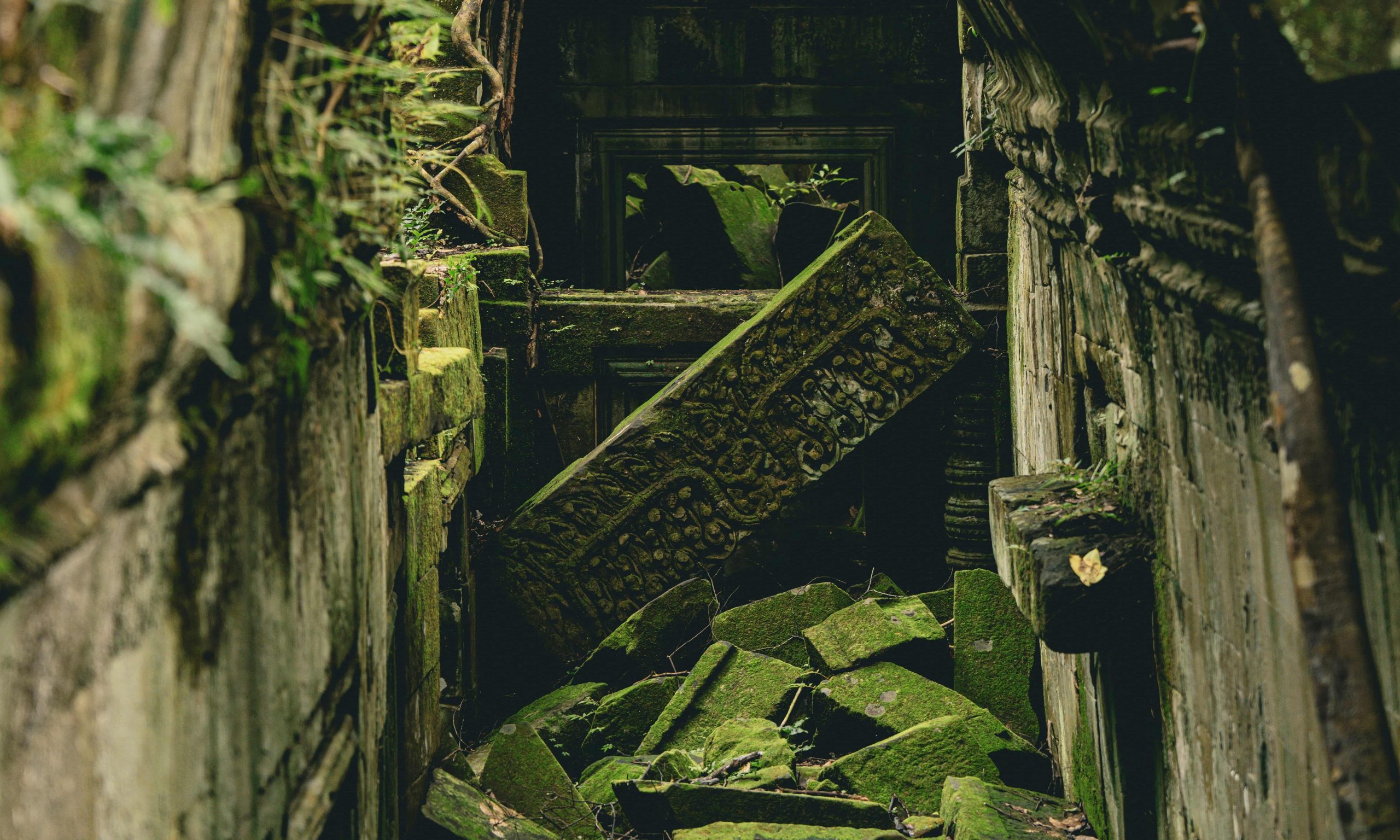
If the manicured pathways of the central temples make you crave a little genuine adventure, Beng Mealea is where you want to go. About 60-65 kilometres east of downtown Siem Reap, it feels like an ancient secret the jungle hasn’t fully given back yet.
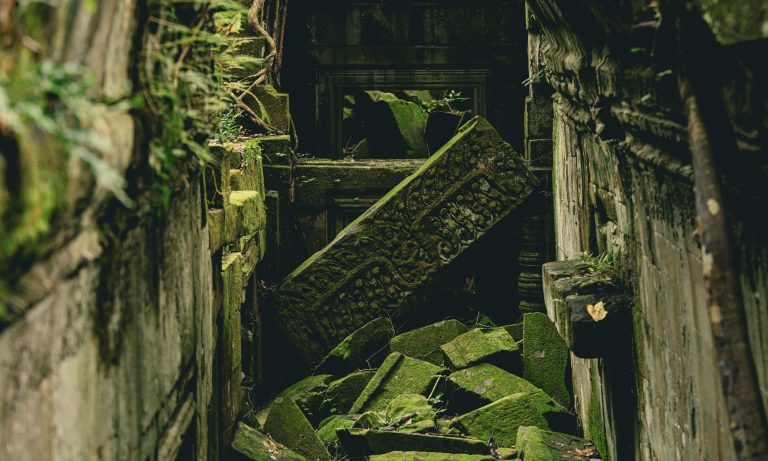
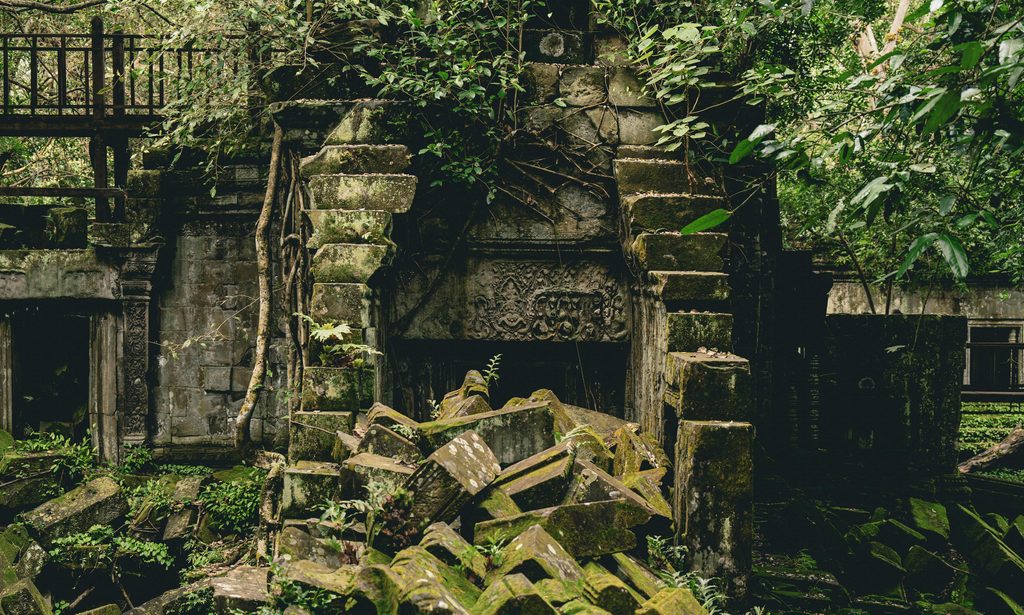
Unlike Angkor Wat, which has been carefully restored and cleared, Beng Mealea was intentionally left semi-collapsed. Giant sandstone blocks lie toppled across courtyards, blanketed in soft emerald moss, while massive tree roots twist through windows and collapse ancient stone galleries.
- The Vibe: Pure Indiana Jones or Tomb Raider, minus the tourist bus crowds. Wooden walkways pass through and over the ruins, giving you vantage points over collapsed roofs and shadowed stone hallways.
- Cost & Tickets: A standalone Beng Mealea ticket is currently $10 USD. If you already have an Angkor Pass, check the current ticket conditions before your visit.
- Pro Tip: Go early in the morning before 9:00 AM. The early mist flowing through the dense canopy makes for insane photos and total silence.
2. Escape the Heat at Phnom Kulen National Park
When the afternoon heat rolls in, do what the locals do: head up into the plateau of Phnom Kulen. Considered Cambodia’s most sacred mountain, this is where King Jayavarman II proclaimed independence back in 802 CE, laying the foundation for the Khmer Empire.
Today, it works as the ultimate nature day trip from town:
- The River of a Thousand Lingas: Stroll along Kbal Spean where hundreds of sacred Hindu carvings and fertility symbols (lingas) are chiselled directly into the riverbed, blessing the water as it runs downstream.
- The Giant Reclining Buddha: Climb the stairs to Preah Ang Thom pagoda, where a massive Buddha is carved from a single enormous sandstone boulder at the summit.
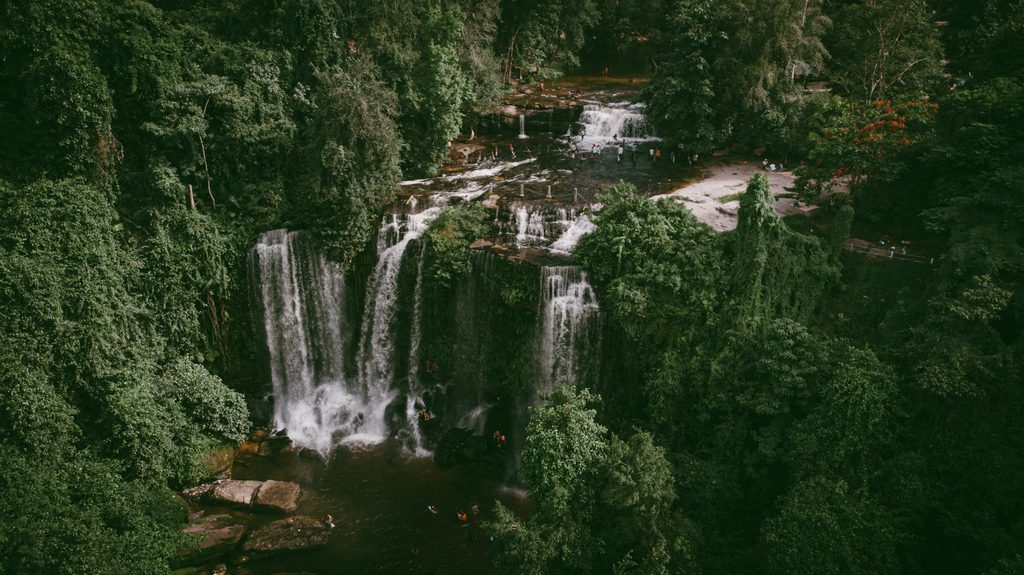
- The Waterfall Swim: Most travellers highlight the multi-tiered waterfall. You can rent a wooden river shack, jump into the clear, cool freshwater pools, and snack on local grilled corn and bamboo sticky rice (kralan).
- Cost & Rules: Entrance to Phnom Kulen National Park is $20 USD cash per foreign visitor. The mountain access road is one-way and changes direction during the day, so leave Siem Reap early and check the current road access times before your trip. Also remember to dress respectfully by covering your shoulders and knees at the pagoda, and wear modest swimwear at the falls.
3. Cruise the Flooded Forest & Stilted Communities of Tonle Sap
Siem Reap sits on the edge of Tonle Sap Lake, Southeast Asia’s largest lake and an ecological wonder that expands and contracts drastically with the seasons.
Instead of crowded tourist traps, take a half-day trip out to stilted fishing communities like Kampong Phluk or Kampong Khleang:
- Houses on Stilts: Depending on whether you visit in the dry or wet season, you’ll see either dramatic 10-meter wooden stilts towering above dusty dirt roads or houses that appear to float directly on the water.
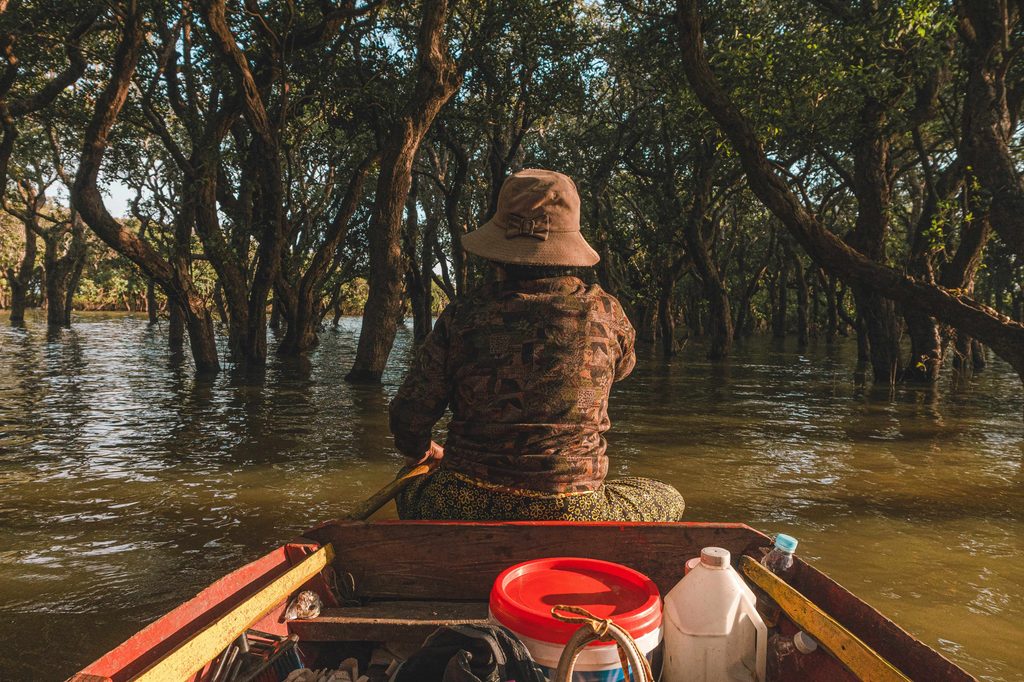
- Paddle Boat Through the Submerged Mangroves: At Kampong Phluk, you can hire local boat pilots to gently paddle you through the flooded mangrove forest in a traditional wooden canoe. Reflections of tree branches across calm, amber-tinted waters turn it into one of the province’s most tranquil spots.
- The Vibe: An eye-opening, grounding look at everyday life along the water: children paddling dugout canoes to school, floating grocery stalls, and fishermen drying river catch along docks.
4. Experience Intimate Apsara Storytelling at Wat Bo
Most tourists catch traditional Khmer dancing while juggling plates at a crowded international buffet hall. But if you want to appreciate the artistry, nuance, and poetry of classical dance, seek out an authentic heritage venue like the Apsara Theatre near the historic Wat Bo quarter.
- Why It Hits Different: Set in an atmospheric, traditional wooden pavilion surrounded by tropical foliage, the performance appears personal and deeply respectful of Khmer culture.
- The Performance: A live traditional pinpeat orchestra (gongs, bamboo xylophones, and double-reed flutes) accompanies dancers as they execute intricate mythological epics and sacred blessings. Every curved finger gesture (kbach) tells a specific story representing fruit, flowers, sorrow, or success.
- The Setting: Wat Bo is also one of Siem Reap’s coolest creative neighbourhoods right now, packed with indie coffee shops, quiet art spaces, and leafy lanes to wander before the evening performance starts.
5. Slow Down at Butterfly Pea Restaurant
After a long day of dirt trails, bumpy tuk-tuk rides, and temple climbing, you’ll want a restorative, intimate dining experience. Skip the deafening bass of Pub Street and head to Butterfly Pea Restaurant.
Set inside an authentic, beautifully restored Khmer wooden house with wide-open verandas and a quiet tropical garden, it brings together traditional Cambodian flavours with thoughtful presentation:
- What to Order: Don’t miss their signature Fish Amok (steamed freshwater fish bathed in silky coconut cream, kaffir lime leaf, lemongrass, and turmeric), crispy spring rolls, and fragrant Khmer Red Curry Chicken. If you’re feeling adventurous, try their Mekong River prawn dishes or refreshing green mango and banana blossom salads.
- The Drink: Order their namesake iced Butterfly Pea Flower tea, a bright, naturally blue herbal cooler that shifts to purple with a squeeze of fresh lime.
- Why You’ll Love It: It feels like dining at a welcoming countryside home rather than a commercial eatery. It’s relaxed, breezy, and the perfect spot to wind down your evening with friends.
How to Get to Siem Reap Easily & Affordably
Getting to Siem Reap doesn’t mean dropping half your trip budget on domestic flights. If you’re travelling from Phnom Penh, Sihanoukville, Kampot, Battambang, or even a cross-border route like Ho Chi Minh City, taking a bus or VIP minivan can be an easy and affordable option.
- Book Smart via redBus: Instead of wandering around town comparing operators or dealing with random ticket counter markups, use the redBus Cambodia app or website to check schedules, compare available options, and book your seat in advance.
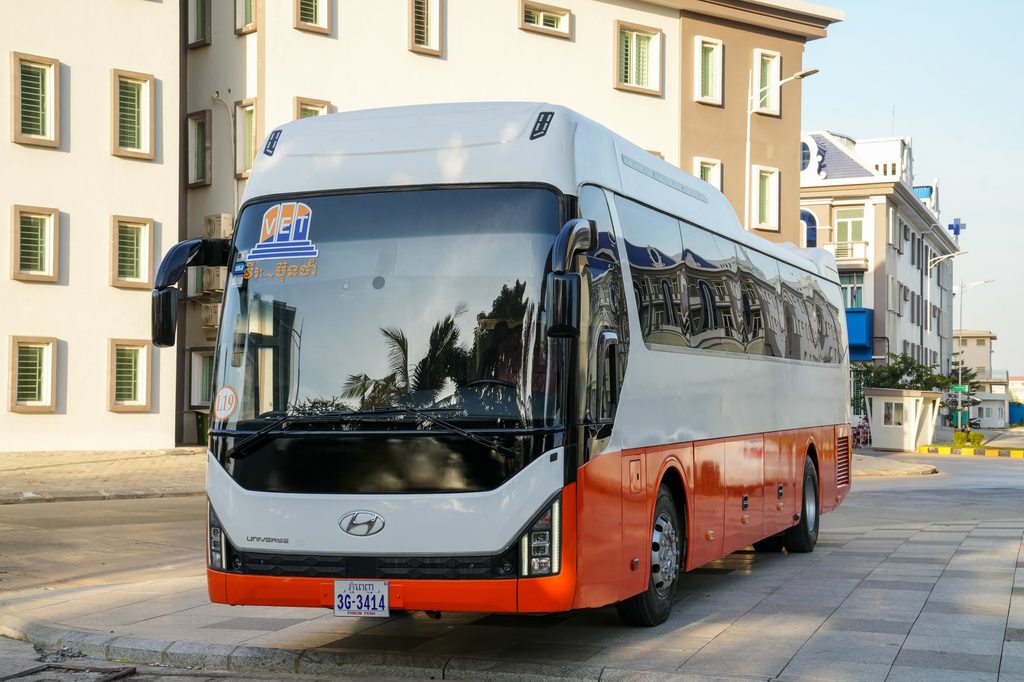
- Top Operators: Operators such as Giant Ibis, Vireak Buntham (VET), and Larryta Express offer services on routes to Siem Reap, depending on the schedule.
- Save on Accommodation: If you’re short on time or travelling on a budget, check for overnight sleeper or VIP bus options on redBus. You can travel overnight and arrive in Siem Reap with more time to explore during the day.
Quick Packing & Practical Checklist
- Cash is Essential: While cafes downtown may accept KHQR payments and cards, some local entrance checkpoints and rural activities may require cash, so it’s a good idea to carry some USD or Cambodian Riel.
- Layer for the Day: Bring a light wrap or scarf to cover your shoulders at sacred sites, and pack a spare towel and change of clothes if you plan to swim in Kulen’s waterfalls.
- Download Your Tickets Early: Book your transit tickets in advance on redBus and save your digital m-ticket to your phone for offline access when boarding.
Conclusion
Siem Reap may be famous for Angkor Wat, but there is much more to discover beyond the main temples. From jungle-covered ruins and mountain waterfalls to floating communities, traditional performances and local dining, you can easily fill a few days with experiences that feel completely different from the usual temple circuit.
So whether you’re visiting Siem Reap for the first time or coming back for another adventure, give yourself time to explore beyond Angkor Wat and discover another side of the city.
Yes! You do not need an Angkor Pass to enjoy downtown Siem Reap, explore Phnom Kulen National Park, cruise the Tonle Sap stilted villages, or attend an Apsara performance. Beng Mealea also has a standalone entrance ticket, currently listed at $10 USD.
A 2-to-3-day itinerary is ideal. This gives you one full day for an adventure out to Beng Mealea and Phnom Kulen, a half-day to visit the floating villages of Tonle Sap, and an evening to explore the cafes and cultural dining around the Wat Bo area.
Because Phnom Kulen and Beng Mealea are outside central Siem Reap, renting a private air-conditioned car or remorque (tuk-tuk) for the day can be a convenient choice. If travelling with friends, splitting the cost can also make the trip more affordable.
Cambodian sacred sites require modest attire. Cover your shoulders and wear pants or skirts that fall below the knees when visiting Preah Ang Thom (the reclining Buddha). If you swim at Phnom Kulen waterfall, follow local customs by wearing modest swimwear.
You can book direct bus and minivan tickets online through the redBus Cambodia app or website. It lets you compare available schedules, pickup and drop-off points, and different travel options from operators serving Siem Reap.
Siem Reap has plenty to explore even if the weather changes your original plans. You can visit museums, explore local cafés and restaurants, enjoy an Apsara performance, explore the Wat Bo area, or plan other indoor activities before heading out again when the weather improves.
Absolutely! Beyond the main temples, Siem Reap offers jungle ruins, waterfalls, floating villages, cultural performances, local restaurants, cafés and other experiences. Spending a few extra days allows you to see a different side of Siem Reap beyond the Angkor temples.
About the Author